







Subway Surfers 2: City builds on the endless runner formula by expanding the gameplay structure and adding more player-controlled depth to each run. Instead of focusing only on reflex-based movement, the game introduces a sense of progression tied to location, objectives, and performance. The player still runs automatically forward, but decisions made during each run now influence how the session develops. Movement, timing, and route selection all play a larger role than in the original version, making each attempt feel more purposeful.



Subway Surfers 2: City
Advertisement

Advertisement
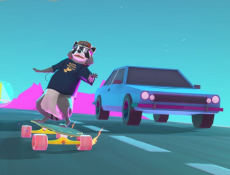




Movement Flow And Player Control
The core gameplay revolves around lane switching, jumping, sliding, and reacting to obstacles at increasing speed. What sets Subway Surfers 2: City apart is how these actions are tied to a larger environment. The city layout introduces variations in track width, elevation, and obstacle placement, requiring players to adapt rather than rely on muscle memory alone. Some sections demand quick reactions, while others reward careful positioning. The player must constantly adjust movement choices based on what appears ahead, especially as speed increases.
Objectives And In-Run Decisions
Unlike traditional endless runners where the only goal is distance, Subway Surfers 2: City adds short-term objectives that affect how runs unfold. These objectives encourage exploration and experimentation instead of repeating the same path every time. During gameplay, players commonly focus on:
- choosing optimal routes between obstacles
- collecting coins placed in riskier paths
- activating abilities at the right moment
- completing location-based challenges
- maintaining momentum through complex sections
These elements introduce decision-making into every run, making success depend on more than reaction speed alone.
Progression And Unlock Systems
Progression in Subway Surfers 2: City is tied to both performance and exploration. Completing challenges unlocks access to new districts, each with different layouts and gameplay demands. This structure gives players a reason to return beyond chasing higher scores. As new areas open, runs become longer and more varied, encouraging players to improve their control and planning. The sense of advancement comes from mastering movement and understanding how each section of the city functions.
Gameplay Pace And Challenge Curve
The pacing of the game gradually increases without overwhelming the player early on. Initial sections allow time to learn movement patterns, while later segments demand faster reactions and better route choices. The challenge grows naturally through speed, obstacle density, and objective complexity. This design keeps the game engaging across short and long sessions, as players always have room to improve performance.
Comments (0)


2026
